
Retrofitting Air Source Heat Pumps in Older Homes

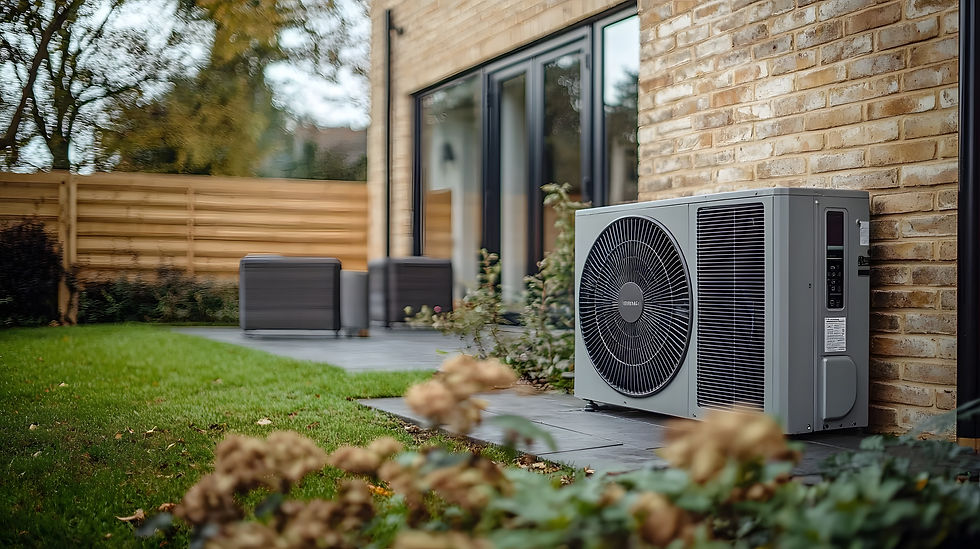
Retrofitting an air source heat pump into an older property is becoming an increasingly popular choice for homeowners looking to improve energy efficiency, reduce carbon emissions, and future-proof their heating.
If you live in a period property or traditional home, you might assume renewable heating isn’t suitable for your building. In reality, with the right assessment and professional heat pump installation, many older homes across Nottingham can successfully transition to air source heat pump systems.
Are Air Source Heat Pumps Suitable for Older Homes?
Yes, but every property is different.
Older homes often have solid walls, higher ceilings, and less insulation than modern builds. These factors don’t rule out air source heat pumps, but they do mean proper system design is essential.
A professional retrofit starts with understanding:
How much heat your home actually needs
Existing radiator sizes and pipework
Current insulation levels
Available outdoor space for the heat pump unit
Once these are assessed, the system can be tailored to deliver reliable, comfortable heating year-round.
Common Challenges in Period Properties
Homes built decades ago tend to share a few characteristics that affect heating performance:
Limited Insulation
Many older properties lose heat more quickly through walls, roofs, and floors. Improving insulation where possible makes a significant difference to heat pump efficiency.
Undersized Radiators
Traditional radiators may not provide enough surface area for lower-temperature heating systems. In some cases, upgrading radiators or adding underfloor heating improves performance.
Aging Pipework
Older pipework can restrict flow or reduce efficiency. Part of the retrofit process may involve updating key sections to support the new system.
None of these are deal-breakers, they simply form part of a well-planned installation.
What the Retrofit Process Looks Like
Installing an air source heat pump in an older home typically follows these steps:
Initial Survey and Heat Loss Assessment
This determines how much heat your property requires and whether any improvements (such as insulation or radiator upgrades) are recommended.
System Design and Sizing
The heat pump is sized specifically for your home, too small and it struggles, too large and efficiency drops.
Outdoor Unit Installation
The external unit is positioned for good airflow while minimising visual impact and noise.
Integration With Existing Heating
The system connects to your radiators or underfloor heating and replaces (or works alongside) your existing boiler.
Commissioning and Testing
Once installed, the system is tested and optimised to ensure it runs efficiently and comfortably.
A professional retrofit focuses on long-term performance, not shortcuts.
Improving Efficiency in Older Homes
While expert installation is key, homeowners can also support system efficiency by:
Improving loft or wall insulation where possible
Keeping outdoor units clear of leaves and debris
Using smart thermostats for better temperature control
Scheduling annual servicing
Avoiding sudden temperature changes
Small adjustments help maximise comfort and keep running costs predictable.
Benefits of Retrofitting a Heat Pump
When designed correctly, air source heat pumps offer several advantages for older homes:
Lower energy bills compared with traditional boilers
Reduced carbon footprint
Consistent, gentle heat
Less reliance on fossil fuels
Increased property appeal for future buyers
Many Nottingham homeowners are now choosing heat pumps as part of wider renovation projects, combining energy efficiency with long-term savings.
When to Consider a Retrofit
It may be the right time to explore a heat pump if:
Your boiler is aging or unreliable
Energy bills continue to rise
You’re renovating or extending
You want a renewable heating solution
You’re planning ahead for future energy regulations
Early advice allows you to plan upgrades sensibly, often avoiding rushed decisions later.
Supporting Nottingham Homes With Renewable Heating
From Victorian terraces to larger family homes, older properties across Nottingham can benefit from modern heating solutions when systems are designed properly.
Professional installers understand the challenges unique to heritage buildings and take a measured approach, balancing efficiency with respect for the character of your home.
Expert Help With Retrofitting Air Source Heat Pumps
A successful retrofit depends on experience, careful planning, and honest advice.
Professional support typically includes:
Property surveys and heat loss calculations
Bespoke system design
Skilled installation and commissioning
Preventative maintenance plans
Ongoing performance support
Rather than offering one-size-fits-all solutions, Nottingham Air Source Heat Pumps focus on systems that suit your home, lifestyle, and long-term goals.
Thinking About Upgrading Your Heating?
Retrofitting an air source heat pump into an older home is entirely achievable and often more straightforward than people expect.
With the right guidance, it becomes a smart investment in comfort, sustainability, and future energy security.
If you’re considering renewable heating in Nottingham, a professional survey is the best place to start.


Comments